
Qigong Energy Healing or qigong tui na (Chi gung tui na) is a special branch of Chinese medicine designed to unblock, free and balance chi in others. You learn to project energy from youir hands, voice and eyes to facilitate healing.
In order to learn to heal others, you must first learn to unlock and free your own chi and learn to control the specific pathways through which it flows. Learning qigong energy healing typically comes after you have a stable foundation in qigong or tai chi to develop the sensitivity to feel and work with your own chi before working with the chi of others.
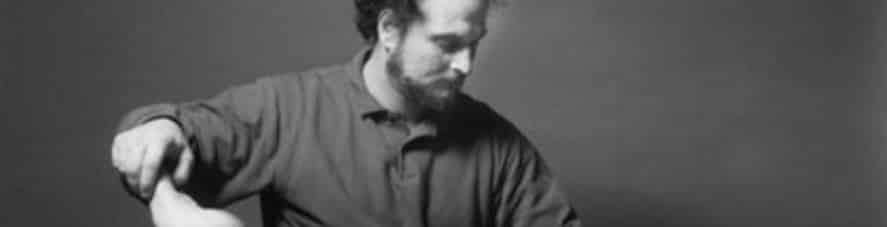
Bruce’s Training in Qigong Tui Na
Part of Bruce’s Taoist training was learning to apply chi gung/qigong tui na techniques to patients in medical clinics in China. During a five-year period, he worked with more than 10,000 patients to balance their chi and help them heal from such diverse illnesses as organ and nerve damage and cancer.
Today, he no longer works as a chi gung/qigong doctor, either privately or in clinics, in order to have the time to write books, teach workshops and retreats, and train Energy Arts Instructors.
Balancing Chi in Others
In order to learn to heal others with chi gung/qigong tui na, you must first learn to unlock and free your own chi and learn to control the specific pathways through which it flows. You must learn to develop chi sensitivity in your hands. That is why it is so important to learn Energy Arts core and advanced programs before you study chi gung/qigong tui na.
Self-regeneration in Healing Work
A vital part of chi gung/qigong tui na training involves learning the regenerative chi practices that keep you from becoming physically, spiritually or emotionally exhausted when healing the chi in your patients. This includes:
- How to protect yourself from absorbing the energy of your patients
- How to regenerate your own energy after you put it out on behalf of your patients
- How to prevent burnout
- How to retain compassion for your patients and not get “compassion” fatigued.
The rule of thumb is that if you spend a certain number of hours working on patients. Ideally, you should spend as much as a quarter of that amount of time doing regenerative practices to avoid burnout.


0 Comments